Garden Services: Recycling & Sustainability Commitment
 At Garden Services we know that sustainable gardening is more than an add-on ??? it???s central to how we operate. Our gardening services focus on cutting waste, improving soil health and returning organic matter to the local circular economy. We work with residents across boroughs where local councils encourage separate collections for green waste, food scraps and mixed recycling, and we adapt to each area???s preferred separation schemes to make recycling as easy and effective as possible.
As part of our green garden services strategy we have set a formal recycling percentage target: to divert 85% of all garden-related material from landfill within three years. This target includes woody prunings, grass cuttings, soil, and inert materials like stones when they can be reused. We track loads by weight, ensure proper sorting on-site, and maintain an audited chain of custody to measure progress toward that 85% recycling goal.
 Our garden service teams are trained to follow borough-level waste separation rules: in some areas this means placing compostable kitchen waste with garden waste for joint processing; in others food waste must go into a separate caddy. We respect those differences and provide clear signage and color-coded bins for customers, so that landscaping and garden services never create confusion for local collection systems.
The backbone of our recycling work is strong relationships with local transfer stations and composting facilities. We partner with municipal transfer stations across nearby boroughs and independent processing sites that accept green waste for aerobic composting or anaerobic digestion where appropriate. This network ensures material collected by our gardening services is processed promptly and turned into high-quality compost, soil conditioner or biomass feedstock rather than sent to landfill.
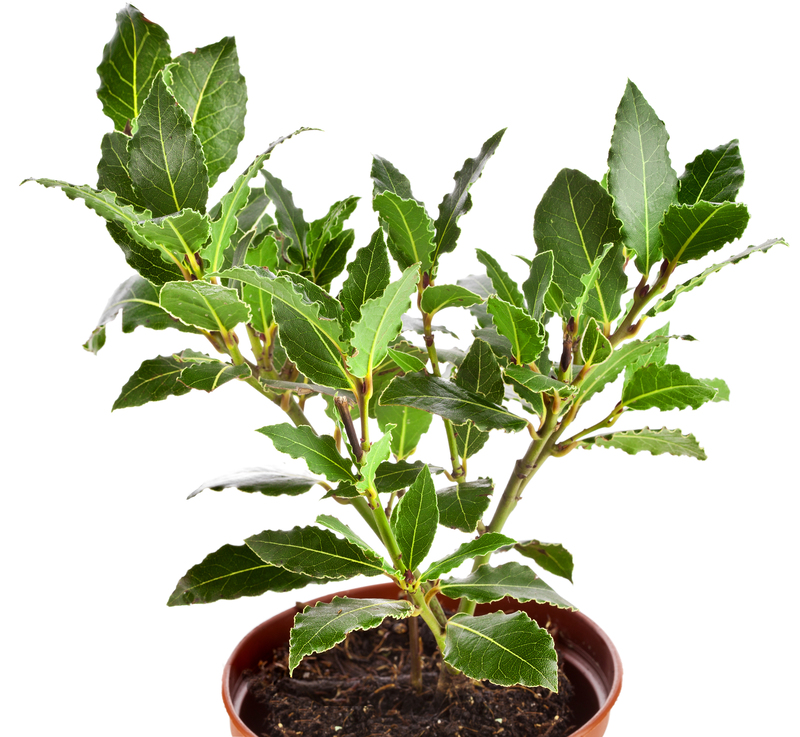
 We maintain formal partnerships with charities and social enterprises to give new life to reusable items. Small trees, potted plants and reusable paving flags that are still in good condition are diverted from waste streams and offered to community gardens, schools or local allotment groups. Our collaborations go beyond donation: many partners provide training opportunities in horticulture, creating social value from the redistribution of garden materials.
To make transfer and processing logistics efficient and low-emission, our garden services operate with route planning that reduces duplicated journeys and idle time. We use licensed transfer stations that document incoming loads and issue weighbridge tickets so that each garden service job contributes to our verified recycling statistics. This reduces controversy around material destinations and helps achieve the recycling percentage target we???ve adopted company-wide.
Our fleet is a key part of cutting carbon. We are progressively replacing older vans with low-carbon alternatives: hybrid vehicles, plug-in electric vans and models with improved fuel efficiency are now in regular use for routine garden service calls. Where electric charging infrastructure is limited, we deploy hybrids and fuel-efficient diesel models that meet the latest emissions standards, always prioritizing the lowest carbon option for the job.
In addition to vehicle upgrades, we invest in lighter equipment, efficient mulchers and battery-powered tools to reduce onsite emissions and noise. These steps lower the overall carbon footprint of each landscaping and garden services project while keeping performance high. We also offset unavoidable emissions through local woodland planting programs and support for community greening initiatives that sequester carbon over time.
![A collection of blooming garden plants arranged in pots on a weathered wooden surface, including yellow daffodils, pink primroses, blue-bluebells, and white primroses, set against a rustic blue and grey wooden background. The scene features various gardening tools such as a small hand trowel with a wooden handle, a metal scoop, and bulbs with their roots visible, suggesting preparations for planting. The garden environment appears bright with natural daylight, highlighting vibrant flower colours and fresh green foliage, reflecting outdoor gardening work typical of outdoor spaces in the UK, with a subtle connection to gardening services that focus on planting, lawn care, and outdoor landscape maintenance in towns like [TOWN] or postal code [POSTCODE].](/pub/_photos/gardening/f3374186496.jpg) Our sustainability approach includes an emphasis on reuse and repair. When edging, paving or timber structures are removed during a garden overhaul, every component is assessed for reuse. Stones and bricks are cleaned and kept for new layouts, timber that is structurally sound is reclaimed, and metalwork is recycled or refurbished. These practices reduce the need for new materials and lower embodied carbon across our garden service operations.
Our sustainability approach includes an emphasis on reuse and repair. When edging, paving or timber structures are removed during a garden overhaul, every component is assessed for reuse. Stones and bricks are cleaned and kept for new layouts, timber that is structurally sound is reclaimed, and metalwork is recycled or refurbished. These practices reduce the need for new materials and lower embodied carbon across our garden service operations.
![A young woman with short blonde hair, wearing a light-colored shirt, a bright green apron, and gardening gloves, is tending to a lush, green garden bed of leafy plants in a well-maintained outdoor garden. The garden features neatly arranged flower beds with well-defined edges, and the vibrant green grass extends in the background, with a backdrop of bushy plants and small trees. The scene is set on a slightly overcast day with soft natural lighting illuminating the healthy, thriving plants, reflecting a tidy and organized outdoor space suitable for gardening activities. This environment demonstrates typical elements of garden landscaping and maintenance, in alignment with professional gardening services such as those offered by Garden Services, supporting sustainable and eco-friendly outdoor practices in the local area of [POSTCODE] near [TOWN].](/pub/_photos/gardening/f1985060048.jpg)
Practical Recycling Activities & Local Coordination
On a practical level, our gardeners sort wastes onsite into clearly labelled containers:
- Green/organic waste for composting
- Clean wood and timber for chipping or reuse
- Soil and stone separated for reuse or clean fill
- Plastics and metals cleaned and sent to mixed recycling
Monitoring, Reporting and Continuous Improvement
We publish annual sustainability summaries showing our recycling rates, the weight of material diverted, and progress towards our 85% diversion target. Our internal audits, partner weighbridge records and charity redistribution logs create a transparent trail. Continuous improvement is built into staff training, vehicle sourcing and partner selection so our garden services remain at the forefront of low-waste horticulture.In summary, our commitment to sustainability in garden care ties together measurable recycling targets, strategic transfer station partnerships, charity redistribution, and a low-carbon fleet. We tailor garden services to the waste-separation expectations of local boroughs, and we focus on reuse, composting and efficient logistics to keep gardens thriving while preserving resources for future generations. Together we make green spaces greener ??? and cleaner.