Garden Services in London

Garden Services in London should make routine outdoor care feel orderly, practical and straightforward for homes, landlords and property managers. Our work can cover regular mowing, hedge trimming, garden clearance, fence and decking related tasks, and wider maintenance where a space needs tidying back into usable shape. The aim is simple: keep the garden manageable, presentable and suited to how it is actually used, rather than forcing it into a one-size-fits-all routine.
Some gardens need consistent attention throughout the growing season, while others only need periodic visits to restore control after a busy spell. We can support both approaches with clear, adaptable garden work that focuses on the visible finish and the practical details behind it. If you are comparing options, you can start by looking at the service pages and then request a quote when you know what your garden needs.
For a better fit, it helps to separate the work into the tasks that matter most. A small lawn may only need grass cutting and edging, whereas a larger property might benefit from hedge maintenance, green waste removal and occasional pressure cleaning around paths or patios. Use the service pages to narrow down the right combination, then contact us for a quotation once the scope is clear.
Regular garden care for neat, usable outdoor space
Regular garden care is about keeping growth under control before it becomes time-consuming. Grass cutting, hedge trimming and general tidying can all be planned around the condition of the space, the season and the level of upkeep you want. Where borders, paths and lawns are part of the same outdoor area, the work is often most effective when it is coordinated rather than treated as separate jobs.
Our garden maintenance service is suited to gardens that need more than a single visit but less than a full redesign. It can include ongoing care tasks that help a property stay presentable between larger jobs, whether that means light seasonal attention or a more structured maintenance pattern. The practical focus is on keeping surfaces, planting areas and growth under control so the garden remains easier to use.
Because each site is different, planning should begin with the areas that need the most attention. A useful enquiry usually includes the main task, any access concerns and a short note on the condition of the garden. Photographs can help, especially where overgrowth, boundary issues or mixed surfaces are involved. If you already know the key work, a brief outline is enough to move forward.
Lawns, grass cutting and seasonal tidying

Lawns often define how tidy a garden feels, so grass cutting is one of the most important recurring tasks. It is rarely just a matter of shortening the grass; edging, clipping collection and attention to awkward corners all affect the finished look. A lawn that is cut at the right time and to a sensible height is usually easier to keep under control than one that is left too long and then cut back abruptly.
Our lawn mowing work suits gardens where the grass needs a neat and even finish, while grass cutting can be the better fit for broader outdoor areas that need a straightforward tidy-up. For lawns that need a reset rather than routine upkeep, lawn turf installation may be relevant if the existing surface is patchy, uneven or no longer performing well. Each option addresses a different stage of lawn care, so choosing the right one matters.
When lawns are paired with borders, the overall result is often stronger if the wider setting is also maintained. A trimmed lawn can still look untidy beside unmanaged hedges or debris-filled beds. In practical terms, that is why many customers combine mowing with other garden services. Matching the task to the state of the garden usually leads to a better finished result than choosing only the most obvious job.
Clearance, overgrowth and waste handling
Some gardens are not just untidy; they are obstructed by accumulated material, cuttings, broken items or dense growth. In those cases, clearance work matters because it creates access and makes later maintenance possible. The process may include removing unwanted green waste, lifting light debris, and dealing with areas that have become difficult to walk through or inspect properly. This is often the starting point before any tidy finish can happen.
Our garden clearance service is intended for gardens that need a substantial reset. It can help when you want to reclaim space, prepare a property for sale or tenancy, or simply remove material that has built up over time. For sites where tree growth is part of the problem, tree cutting service and tree surgeon pages may be useful starting points, depending on the type of work needed and the size of the tree-related issue.
Before any quotation, it is sensible to identify whether the main requirement is clearance, cutting back, or a combination of both. If access is tight, mention gates, steps or rear entries, because that affects how the work is approached. A good enquiry keeps the focus on what is visible and what must be removed, rather than assuming a standard job will suit every space.
Hedges, boundaries and sharper finishes

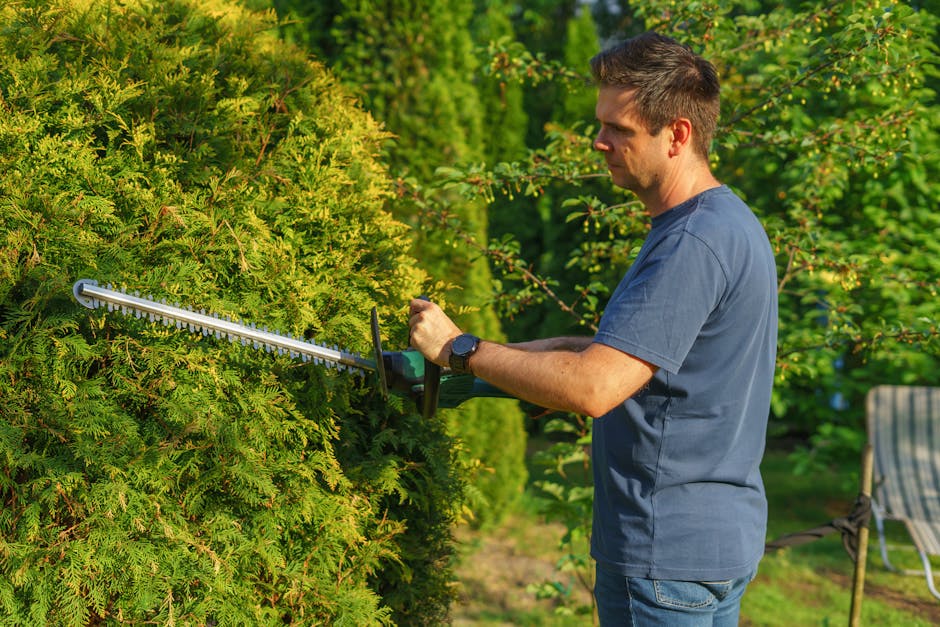
Hedges can provide privacy, definition and structure, but they also need control to stay even and healthy-looking. Trimming should respect the shape of the hedge and the boundary it serves, whether that is a front garden screen, side access line or a rear boundary that is starting to spread. Where hedges have grown unevenly, careful reduction can improve both the appearance and the practical use of the garden.
For that kind of work, hedge trimming is the most direct service page to review. If boundary upgrades are also under consideration, the fencing pages may be helpful: garden fencing, garden fence installation and garden fence replacement each point to a different stage of boundary work. Choosing between them depends on whether the issue is trimming, new fitting or replacing something already in place.
Hedges and fences often influence the first impression of a property, but they also affect everyday use. A hedge that narrows a path or a damaged fence panel that weakens a boundary can turn into an ongoing nuisance if left alone. The most useful approach is to decide whether the task is cosmetic, structural or both, then request the service that matches the current condition.
Landscaping and garden structure
When a garden needs more than routine maintenance, landscaping can change how the space works. That may involve rethinking layout, refreshing surfaces, improving access or introducing a more coherent structure across beds, paths and open areas. Good garden landscaping is not only about appearance; it also affects how easy the space is to maintain and how well different parts of the garden connect to one another.
Our landscaping and landscape gardening pages are relevant where the project goes beyond day-to-day upkeep. They can suit properties that need practical redesign work, while garden decking service and decking services are useful if the garden includes a raised platform, seating area or access feature that needs to be built or improved. If your space needs a clearer structure, these pages help separate surface work from planting-led changes.
Deciding on landscaping usually means balancing finish, function and upkeep. A change that looks attractive but creates awkward corners may not be the best long-term choice, especially in a smaller garden. It can help to think in terms of circulation, standing space, drainage and the amount of maintenance you want after the work is complete. That keeps the project practical as well as visual.
Outdoor surfaces, cleaning and presentation

Outdoor surfaces can change the whole look of a garden, especially where patios, paths, steps or paved seating areas have gathered dirt and weather staining. Cleaning those areas is often part of presenting a garden properly, but the work needs to suit the surface. A hard-wearing paving area and a more delicate decorative finish do not require the same treatment, so identifying the material matters before work begins.
If the hard landscaping is the issue, patio cleaning and jet washing are both relevant pages to review. They are useful where moss, grime or surface build-up are affecting the appearance or use of an outside area. For properties where cleaning is part of a wider tidy-up, these services often sit neatly alongside mowing, clearance and hedge work. The result is more cohesive when the visible surfaces are treated together.
It is usually worth separating cleaning needs into what must be removed and what should simply be refreshed. Some surfaces only need a lighter clean, while others have deeper staining or organic build-up that requires a more considered approach. If you are unsure where the line sits, a brief description and a few photos can help shape a more accurate quotation without overcomplicating the request.
Choosing the right mix of garden services
Many customers do not need every outdoor task at once; they need the right combination for the condition of the property. A basic seasonal tidy might involve mowing and hedge trimming, while a neglected garden may need clearance, cutting back and boundary work before it can be maintained properly. Choosing well saves time because the work is ordered around the actual condition rather than a fixed checklist.
Useful supporting pages include garden services, gardening services, gardening company and local gardener. These can help if you want to compare general service categories before deciding on a more specific task page. For customers who prefer a concise route into the offer, pricing and quotes is also relevant when you are ready to ask for a quotation or understand how the request will be assessed.
When preparing an enquiry, focus on the essentials: the garden size or layout, the services you think are needed, and any limitations such as access, overgrowth or fragile surfaces. A short, clear description is often enough for a sensible initial response. If the job involves several parts, list them in order of priority so the most important work is handled first.
About London
London is a large and layered city shaped by centuries of growth along the River Thames and its tributaries. Its history is visible in the mix of Roman beginnings, medieval lanes, Georgian terraces, Victorian rail infrastructure and modern towers that now sit side by side across many districts. The city’s scale means that neighbourhood identity matters: central districts such as Westminster, the City and Southwark are very different from suburban areas farther out, yet all are tied together by transport, trade and culture. The river remains one of the city’s defining features, with bridges, embankments and waterfront paths providing both orientation and continuity across a very varied urban landscape.
Architecturally, London ranges from formal squares and garden estates to dense streets of terraces, mansion blocks and post-war redevelopment. Parks are woven through the city in distinctive ways, from the royal parks of central London to smaller local greens that punctuate residential areas. Museums, theatres, markets and churches add another layer, while historic lanes, market streets and riverside walks give the city much of its character. District names often carry their own histories, reflecting old villages, estates and parishes that were gradually absorbed into the metropolitan spread. That long process of expansion created a city that can feel remarkably local from one street to the next, even as it operates on a global scale.
Cultural life is equally varied. West End theatres, independent galleries, music venues, food markets and annual outdoor events all sit within the same urban fabric as schools, civic buildings and quiet residential streets. London’s public spaces are used in many different ways, from commuting and tourism to exercise, shopping and neighbourhood gatherings. The result is a place where historic continuity and continual change are both easy to see, and where each district contributes something distinct to the wider city.
Getting a quotation for your garden
Once you know which parts of the garden need attention, requesting a quotation becomes much easier. Start with the main task and add any secondary work that should happen at the same time, such as clearance before mowing or hedge trimming before boundary repair. If you are dealing with a one-off project, say so; if you want an ongoing arrangement, make that clear as well. Being precise helps avoid unnecessary back-and-forth and makes the next step more efficient.
Where relevant, include access details, surface concerns and any areas that should be protected during the work. You do not need to write a long brief, but a useful enquiry should describe the present condition and the outcome you want. For a straightforward route into the work, review the service pages first, then ask for a quotation once the scope feels settled. If you are ready, the final step is simply to get in touch and request a quote.
For a direct starting point, visit contact us when you are ready to send your enquiry. If you would rather compare the main options first, you can still look through the service pages and then come back with a clearer list of tasks. Either way, the aim is the same: a practical garden service arranged around what your property actually needs.