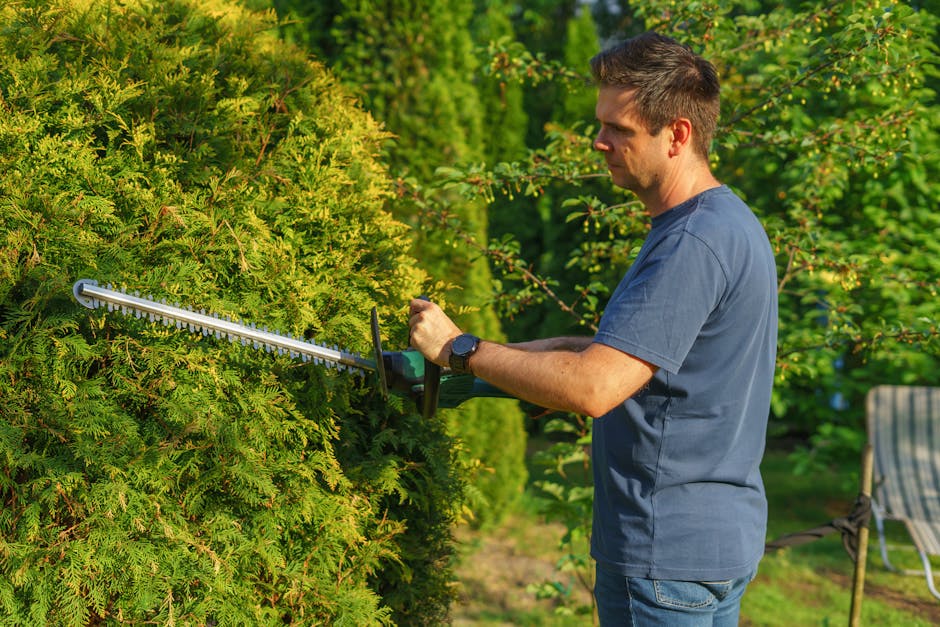
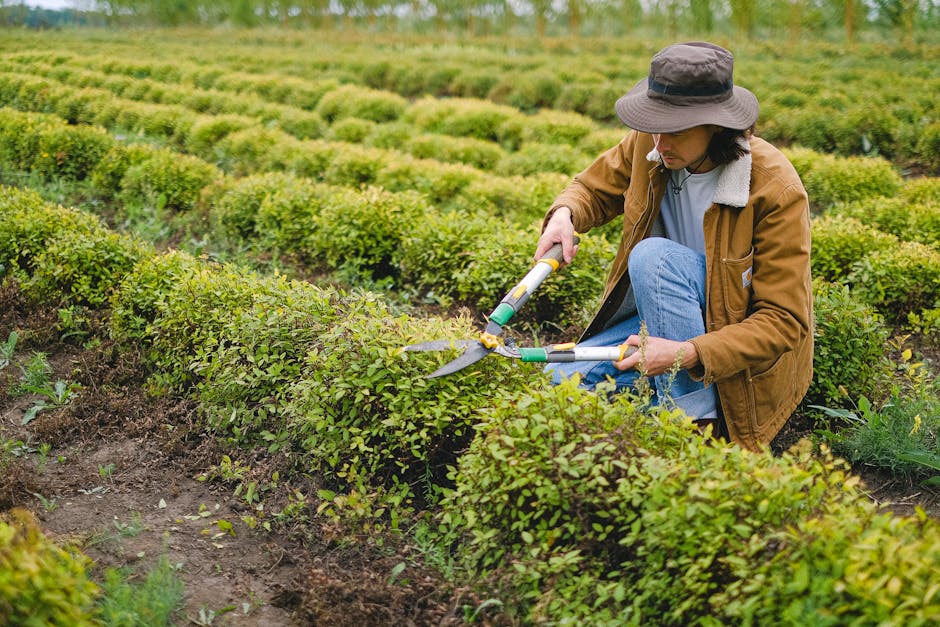
Pruning schedules a gardener guide for healthy shrubs
If your shrubs have started looking a bit leggy, crowded, or just plain tired, you are not alone. Most gardens need a sensible pruning rhythm to keep growth healthy, shapes tidy, and flowering reliable. The challenge is that pruning is not one single job. Different shrubs want different timing, different cuts, and different levels of fuss. Get the schedule right, and the plant rewards you. Get it wrong, and you can lose flowers, weaken the shrub, or spend the next season trying to repair a mess.
This Pruning schedules a gardener guide for healthy shrubs is designed to make the whole thing practical. You will learn how pruning schedules work, why timing matters, what to cut, what to leave alone, and how to avoid the classic mistakes that creep in when you are standing in the garden with secateurs and a vague sense of hope. Truth be told, half of good pruning is simply knowing when not to cut.
For readers who want professional help, planning, or a garden visit that fits around a busy week, it can also help to understand service expectations, safety, and pricing before you book. You can learn more about the company behind this site on the about us page, and if you are weighing up a job of your own, the pricing and quotes information is a sensible place to start.
Quick takeaway: healthy shrub pruning is less about hard cutting and more about timing, plant type, and restraint. A good schedule protects flowers, keeps structure, and helps shrubs stay vigorous for years.
Table of Contents
- Why pruning schedules matter for healthy shrubs
- How pruning schedules work through the year
- Key benefits and practical advantages
- Who this is for and when it makes sense
- Step-by-step guidance
- Expert tips for better results
- Common mistakes to avoid
- Tools, resources and recommendations
- Law, compliance, standards, or best practice
- Options, methods, or comparison table
- Case study or real-world example
- Practical checklist
- Conclusion
- Frequently asked questions
Why Pruning schedules a gardener guide for healthy shrubs Matters
Healthy shrubs do not stay healthy by accident. They respond to light, airflow, shape, and the way a gardener handles old wood, new shoots, and flowering stems. A pruning schedule gives you a simple structure so you are not guessing every time a branch looks awkward.
The biggest reason scheduling matters is that shrubs behave differently depending on when they flower. Some bloom on growth made last year, while others bloom on the current season's shoots. Cut at the wrong time and you can remove the buds before they have even had a chance to open. That is frustrating, especially when the shrub has been looking promising since February.
There is also a health angle. Crowded shrubs trap moisture, block air movement, and can create a sheltered space for disease to spread. On a damp UK morning, you can see this clearly: interior branches feel stuffy, leaves sit in the shade, and the plant starts to look thick rather than strong. A thoughtful schedule helps you thin, shape, and renew growth before the shrub becomes a tangle.
In real gardens, pruning schedules also reduce panic pruning. You know the job is due, you know what sort of cut is needed, and you can plan around weather, nesting birds, and the shrub's natural growth cycle. That is a calmer way to garden. And calmer usually means better results.
Expert summary: pruning works best when it follows the plant's flowering habit, growth rate, and seasonal rhythm. The right schedule supports structure, flowering, airflow, and long-term vigour.
How Pruning schedules a gardener guide for healthy shrubs Works
A pruning schedule is basically a decision system. Instead of treating every shrub the same, you group plants by how they grow and when they flower, then prune at the right point in the year. Simple in principle. A little more nuanced in practice, naturally.
Most pruning schedules are built around four basic types of work:
- Maintenance pruning - small, regular cuts to keep shape and remove weak, dead, or damaged wood.
- Thinning - removing selected stems at the base or point of origin to open the shrub up.
- Reduction - shortening branches to control size without turning the plant into a stubby blob.
- Renovation - more substantial cutting on older shrubs to restore vigour over time.
The schedule itself depends on the shrub's category. Spring-flowering shrubs usually get pruned after flowering, because their buds are formed on older wood. Summer-flowering shrubs are often pruned in late winter or early spring, before strong new growth begins. Evergreen shrubs are usually lighter-touch, while deciduous shrubs may tolerate more shaping depending on species.
Here is the key thing: pruning is not just about the calendar. Weather, plant condition, and location matter too. A shrub growing in a windy front garden may need different treatment from one tucked into a sheltered back border. A young plant may need training. An old, tired specimen may need a gentler, staged approach. Garden work is rarely a one-size-fits-all business, to be fair.
For homeowners and landlords managing multiple gardens, a repeatable schedule is especially useful. It keeps jobs predictable, helps you budget, and stops minor issues from becoming expensive remedial work. If you are arranging professional help, it is wise to understand safety and working practice too; the health and safety policy and insurance and safety information are useful trust signals when comparing providers.
Key Benefits and Practical Advantages
Pruning on a schedule is not about making shrubs smaller for the sake of it. It is about getting a better plant. Here are the most meaningful advantages.
- Stronger structure: regular pruning encourages balanced branching and reduces the risk of weak, crowded growth.
- Better flowering: correct timing protects buds and often improves the number and quality of blooms.
- Improved airflow: an open shrub dries faster after rain, which can reduce disease pressure.
- Cleaner appearance: a well-shaped shrub looks intentional rather than overgrown.
- Safer garden layout: pruning can stop branches obstructing paths, windows, gates, and driveways.
- Longer plant life: controlled renewal pruning can keep shrubs productive for many years.
There is a less obvious benefit too: confidence. Once you know what to do in each season, you stop overthinking every snip. That sounds minor, but it is a real relief when your garden has several shrubs and each one seems to have its own opinions.
For larger gardens, the schedule also improves workload management. Instead of trying to do everything in one frantic weekend, you spread the jobs across the year. That is better for the plants and usually better for your back. If that sounds unglamorous, well, gardening often is. The glamour is in the result.
Who This Is For and When It Makes Sense
This guide is useful for a broad range of people, but the reasons differ a bit.
Homeowners often want healthier shrubs, better flower displays, and less maintenance later on. If you have inherited a garden or moved into a property where the borders are a little unruly, a pruning schedule gives you a way to reset without doing damage.
Landlords and property managers usually care about presentation, safety, and predictable upkeep. Overhanging or overcrowded shrubs can make a property look neglected surprisingly quickly. Regular pruning keeps things tidy and reduces reactive call-outs.
Garden enthusiasts may be looking to improve specific shrubs, such as hydrangeas, roses, cotoneaster, viburnum, laurels, or standard ornamental forms. In those cases, timing is everything. A garden full of lovely shrubs can be sabotaged by one badly timed cut. Annoying, yes. Common, also yes.
People hiring a gardener should care about schedules because they make it easier to brief the job properly. When you know whether your shrubs need deadheading, shaping, thinning, or renovation, the conversation becomes much more productive. It also helps when asking for a quote or comparing services through the contact page.
It makes sense to follow a pruning schedule when the shrub shows one or more of these signs:
- it has become too dense in the centre
- flowering has reduced
- branches are crossing and rubbing
- the shrub is too tall or too wide for its space
- there is dead, damaged, or diseased growth
- the plant has lost its natural shape
Step-by-Step Guidance
If you want a practical pruning routine rather than vague advice, this is the section to follow. The steps below work well for most garden shrubs, although individual species may need adjustments.
1. Identify the shrub type
Start by working out whether the shrub flowers on old wood, new wood, or both. That matters more than almost anything else. If you are not sure, look at when it blooms and whether the flowers appear on stems formed the previous season. When in doubt, prune lightly first. There is rarely a prize for being aggressive.
2. Check the best season
Most shrubs fall into one of these rough timing groups:
- After flowering: spring-flowering shrubs, once the display has finished.
- Late winter to early spring: many summer-flowering shrubs and those that bloom on current-year growth.
- During the growing season: light shaping, deadheading, and trimming where needed.
- Renovation windows: staged work over multiple years for old or overgrown shrubs.
Weather matters. Avoid pruning during hard frost, waterlogged conditions, or when a dry spell is stressing the plant. A cold, wet February morning is not the moment for heroic gardening.
3. Remove dead, damaged, and diseased growth first
This is always the sensible starting point. Cut back to healthy tissue where possible, and use clean tools so you do not spread problems around the plant. Removing dead wood also helps you see the real structure before you decide on shape.
4. Thin the shrub where it is congested
Look for crowded stems, crossing branches, and shoots growing inward. Thin selectively rather than trimming everything to the same level. A shrub with light reaching the centre usually stays healthier and looks more natural.
5. Shape with restraint
Now make your form cuts. Step back often. This sounds obvious, but people still end up with lopsided shrubs because they keep snipping without checking the shape from a distance. Do one side, step back, then the other. Good pruning is a bit like haircutting: you can always remove more, but you cannot put it back.
6. Reduce size gradually if needed
If a shrub has outgrown its space, avoid taking off too much at once unless the species clearly tolerates hard renovation. A staged approach is safer for many plants. Reduce height and spread over one or two seasons if necessary.
7. Finish with a tidy-up and aftercare
Clear away prunings, check for dropped diseased material, and water if the plant is dry. Mulch lightly if the soil is exposed and the shrub benefits from root protection. For some shrubs, a gentle feed after pruning supports regrowth, but do not overdo it. A shrub does not need a banquet every time you wave secateurs near it.
Simple annual rhythm
- Winter: plan, inspect structure, and prune summer-flowering shrubs where appropriate.
- Spring: remove winter damage and prune after spring bloomers finish.
- Summer: deadhead, lightly shape, and monitor vigour.
- Autumn: only light corrective pruning unless a species specifically tolerates seasonal work.
Expert Tips for Better Results
The difference between decent pruning and genuinely good pruning often comes down to small details. Not dramatic things. Small things done consistently.
- Use the right cut for the right stem. Make clean cuts just above a healthy bud when shortening growth, and take entire stems out at the base when thinning.
- Keep tools sharp and clean. Blunt secateurs crush stems. That is not helpful. Clean blades also reduce the risk of disease transfer.
- Prune on dry days where possible. Dry weather is usually kinder to fresh cuts and gives you better visibility.
- Stand back every few minutes. You will spot uneven shape sooner if you look at the plant as a whole.
- Protect nesting wildlife. In the UK, it is good practice to check for active nests before major hedge or shrub cutting. If you see signs of nesting, leave the area alone until it is clear.
- Renovate old shrubs in stages. If a shrub has become woody and tired, a hard reset is not always the answer. Sometimes two or three seasons of careful reduction is much safer.
One thing experienced gardeners tend to do well is read the shrub before pruning. A plant will show you whether it wants a light tidy, a proper reduction, or a full rethink. You can see it in the stem spacing, leaf density, and the way growth leans toward the light. Once you learn to notice that, the rest gets easier.
If your garden has mixed planting, remember that the shrub nearest a path or window may need a different schedule from one deeper in a border. Context matters. It always does.
Common Mistakes to Avoid
Most pruning problems come from rushing. Sometimes from enthusiasm. Sometimes from a false belief that shrubs are tougher than they actually are. They are tough, yes, but not invincible.
- Pruning at the wrong time: this is the classic mistake, especially with spring-flowering shrubs.
- Shearing everything flat: repeated clipping can create a dense outer shell and a hollow interior.
- Removing too much at once: heavy cuts can stress the plant and trigger weak regrowth.
- Ignoring the natural shape: forcing every shrub into the same shape rarely looks natural.
- Leaving stubs: stubby cuts can die back and invite problems.
- Using dirty or blunt tools: messy cuts take longer to heal and can spread trouble.
A subtler mistake is overpruning because you think a shrub should look neat immediately. That urge is understandable. We all like a tidy border. But some shrubs need breathing room and time to recover. If you prune too hard, you may get a flush of weak growth that makes the job harder next season.
Another common issue is forgetting the wider garden picture. A shrub might be fine in isolation, yet it could be blocking light, crowding a neighbour, or growing into a fence line. Pruning schedules should fit the whole space, not just the plant itself.
Tools, Resources and Recommendations
You do not need a van full of equipment to prune shrubs properly. In most gardens, a modest, well-kept kit is enough.
| Tool | Best use | Practical note |
|---|---|---|
| Hand secateurs | Small stems, deadheading, light shaping | Choose a pair that feels comfortable in the hand and cuts cleanly. |
| Loppers | Thicker stems and awkward reaches | Useful for moderate reduction without straining your wrists. |
| Pruning saw | Older, woody stems | Best for thicker branches where secateurs would struggle. |
| Gloves | Hand protection | Helpful for thorny shrubs and general grip. |
| Disinfecting wipe or cleaner | Tool hygiene | Worth using when moving between shrubs, especially if one looks diseased. |
| Rake or garden sack | Clear-up | Keeping the area tidy helps you inspect the plant properly. |
If you are planning a larger pruning job, especially where access is awkward or ladders might be involved, safety becomes part of the decision. That is where professional standards matter. A trustworthy provider should be clear about their insurance and safety practices, and transparent about how work is delivered. If you are checking the fine print before agreeing to a job, the terms and conditions are worth a proper read rather than a quick scroll.
For those who care about garden waste, pruning is also a chance to think about greener disposal. Branches, leaves, and cuttings should be handled sensibly, and where possible, recycled or reused according to the site's recycling and sustainability approach. It is one of those quiet details that makes a garden service feel considered.
Law, Compliance, Standards, or Best Practice
For pruning schedules, the main compliance issue is not a complicated legal checklist. It is sensible, responsible garden practice. In the UK, there are a few common expectations that matter in real life.
Wildlife protection should always be considered. Before significant shrub cutting, check for nesting birds or other active wildlife use. If a shrub is clearly hosting birds, leave it alone until the nesting activity has ended. That is common-sense practice and part of being a careful gardener.
Health and safety is also relevant when work involves ladders, power tools, thorny shrubs, or heavy material removal. Proper risk awareness matters, whether you are a homeowner or hiring a contractor. For commercial or professional work, clear safety controls, safe tool handling, and suitable insurance are all signs of a serious provider.
Neighbour considerations can matter too. If branches overhang boundaries, block access, or drop debris onto shared spaces, a tidy and respectful approach helps avoid hassle. Nothing dramatic, just good neighbourly behaviour. Gardening runs smoother when people are not annoyed by stray clippings on the drive.
Best practice in pruning usually means:
- pruning at the correct seasonal window for the shrub type
- using clean, sharp tools
- making selective cuts rather than indiscriminate trimming
- avoiding excessive removal in one session
- disposing of green waste responsibly
If you need a service provider who explains working standards clearly, the site's accessibility statement, privacy policy, and complaints procedure can also help show how the business handles customer experience and accountability.
Options, Methods, or Comparison Table
Not every shrub should be treated the same way. The method depends on the plant, its age, and the result you want. Here is a simple comparison that helps with decision-making.
| Method | Best for | Pros | Watch out for |
|---|---|---|---|
| Light annual pruning | Healthy, established shrubs | Keeps shape, low stress, easy to maintain | Can be too timid for overgrown plants |
| Selective thinning | Dense shrubs needing airflow | Improves structure and light penetration | Requires a bit more judgment |
| Heading back | Containment and shaping | Quick size reduction | Can make some shrubs look boxy or encourage dense regrowth |
| Renovation pruning | Old or neglected shrubs | Can restore vigour over time | Needs patience and species knowledge |
There is no perfect method for every garden. A formal front garden might benefit from crisp, regular maintenance. A wildlife-friendly back garden may need softer shaping and less frequent cuts. And a plant with sentimental value may be better handled with patience than with a hard prune. Gardening is practical, but it is also a bit personal, isn't it?
Case Study or Real-World Example
Imagine a mixed border with three shrubs: a spring-flowering viburnum, a summer-flowering shrub rose, and an evergreen laurel near the fence. They each look healthy at first glance, but they are behaving very differently.
The viburnum has finished flowering and is carrying a few old, crossing stems. It gets a light prune immediately after bloom, with a little thinning to keep the centre open. The rose, by contrast, waits until late winter or early spring for its main pruning, when its structure is easier to read and new shoots are about to move. The laurel is not cut hard at all; it gets only enough trimming to keep the hedge line neat and prevent it from taking over the garden path.
That is what a proper schedule does. It stops you from treating the garden as one single task list. Each shrub gets the right treatment at the right time. The result is less stress, better flowering, and a border that looks managed instead of merely attacked with secateurs.
In practice, the most successful pruning jobs are the ones where the gardener pauses before the first cut. They look, listen, assess the shape, and only then begin. Sounds simple. It is. But it makes all the difference.
Practical Checklist
Use this checklist before you start pruning shrubs in your garden.
- Have I identified the shrub type and flowering habit?
- Is this the right season for pruning?
- Have I checked for nesting birds or wildlife activity?
- Are my secateurs, loppers, or saw clean and sharp?
- Do I know whether I need shaping, thinning, or renovation pruning?
- Have I set a realistic limit so I do not remove too much?
- Have I looked at the shrub from all sides before cutting?
- Will the cut branches affect paths, fences, or neighbouring plants?
- Do I have a plan for clearing and disposing of the waste?
- Am I prepared to leave some work for another season if the shrub needs it?
If you can tick most of those boxes, you are in a strong position. If not, slow down. That is usually the smartest move.
Conclusion
Pruning schedules are not about rigidity. They are about rhythm. Once you understand how shrubs grow, when they flower, and what kind of cut they respond to, pruning becomes far less intimidating. In fact, it can feel surprisingly satisfying. You finish with a cleaner shape, better airflow, and a plant that looks cared for rather than merely trimmed.
The best results usually come from small, regular actions rather than dramatic rescue jobs. Keep the timing right, use clean tools, and respect the shrub's natural habit. That combination will take you a long way. And if a shrub is old, awkward, or simply too much to handle alone, there is no shame in getting expert help. Sometimes the smartest gardening decision is the calm one.
If you are planning work on your own garden or comparing professional support, start with the basics and ask clear questions. A well-managed pruning schedule saves time later, keeps shrubs healthier, and makes the whole garden feel more balanced. Small steps, done well, really do add up.
Get a free quote today and see how much you can save.
Frequently Asked Questions
How often should shrubs be pruned?
It depends on the shrub type and how fast it grows. Many established shrubs only need one main prune a year, plus occasional light tidying. Faster-growing species may need more frequent shaping, while some shrubs are best left mostly alone except for deadwood and a bit of thinning.
What is the best month to prune shrubs in the UK?
There is no single best month for all shrubs. Spring-flowering shrubs are usually pruned after they finish blooming, while many summer-flowering shrubs are pruned in late winter or early spring. The right timing depends on whether the plant flowers on old wood or new wood.
Can I prune shrubs in winter?
Yes, some shrubs can be pruned in winter, especially those that flower on current-year growth. But avoid pruning during hard frost or when the weather is very wet. Winter is not suitable for every shrub, so the species matters more than the season on its own.
How much of a shrub can I cut off safely?
That depends on the species and its condition. Light shaping is usually safe for many shrubs, while larger reductions should be done carefully and sometimes over more than one season. If a shrub is overgrown, gradual renovation is often safer than one drastic cut.
Should I prune flowering shrubs before or after they bloom?
For shrubs that flower on old wood, prune after bloom so you do not remove next season's buds. For shrubs that flower on new growth, pruning before the growing season is often better. This one detail makes a big difference to flowering.
What tools do I need for pruning shrubs?
Most jobs need clean secateurs, loppers for thicker stems, and sometimes a pruning saw for woody growth. Gloves are helpful too. Sharp, clean tools make cleaner cuts and are easier on both you and the plant.
How do I know if my shrub needs renovation pruning?
If a shrub is woody, sparse at the base, badly overgrown, or producing weak growth, renovation pruning may help. The best approach is usually gradual, especially with older shrubs. Not every plant responds well to hard pruning, so caution is sensible.
Is it bad to shear shrubs every year?
Frequent shearing can be fine for some formal hedging plants, but it is not ideal for many ornamental shrubs. Repeated surface clipping may leave dense outer growth and poor light penetration inside the plant. Selective pruning is often healthier and more natural-looking.
Can pruning help a sick or diseased shrub?
Sometimes, yes. Removing dead or diseased stems can improve airflow and reduce stress on the plant. But pruning is not a cure-all. If disease is spreading, you may need to assess the cause before cutting more. Use clean tools and remove affected material carefully.
What should I do with shrub clippings after pruning?
Clear them away so you can inspect the shrub properly and avoid leaving debris that may hold moisture or disease. Depending on the material, clippings can often be composted, recycled, or collected as green waste. Responsible disposal is part of good garden practice.
When should I hire a professional gardener for pruning?
It makes sense to hire help if the shrub is large, thorny, difficult to reach, badly overgrown, or part of a more complex garden design. Professional pruning is also useful when you want confidence that the timing and cuts are correct. If you are comparing options, the pricing and quotes page can help you get started.
Do all shrubs need the same pruning schedule?
No, and that is the whole point of this guide. Each shrub has its own growth habit, flowering cycle, and tolerance for cutting. A one-size-fits-all approach is where most pruning mistakes begin.
How can I make sure pruning is done safely?
Use the right tools, work on stable ground, avoid rushing, and be cautious with ladders or awkward branches. If the job is beyond a comfortable height or complexity, it is better to get professional support. Safe gardening is good gardening.