How gardeners calculate quotes for garden makeovers
If you have ever looked at a tired garden and wondered why one quote feels straightforward while another seems to climb quickly, you are not alone. How gardeners calculate quotes for garden makeovers is part maths, part practical judgement, and part knowing what is likely to be involved once the spade hits the soil. A good quote should make sense on paper and in real life.
Truth be told, garden makeover pricing is rarely just about the visible size of the space. Access, waste removal, materials, soil condition, design complexity, and the type of finish you want all shape the final figure. In this guide, we will break the process down in plain English so you can understand what you are paying for, compare estimates properly, and spot the difference between a careful quote and a rough guess.
You will also see where local context matters. In London, for example, parking, restricted access, and disposal logistics can change the time and cost of a job more than people expect. A small-looking front garden can be fiddly. A larger rear garden can be deceptively simple. Funny how that works, really.
Table of Contents
- Why quote calculation matters
- How the quoting process works
- Key benefits and practical advantages
- Who this is for and when it makes sense
- Step-by-step guidance
- Expert tips for better results
- Common mistakes to avoid
- Tools, resources and recommendations
- Law, compliance, standards, or best practice
- Options, methods, or comparison table
- Case study or real-world example
- Practical checklist
- Conclusion
- Frequently asked questions
Why How gardeners calculate quotes for garden makeovers Matters
A garden makeover quote is more than a price. It is a working plan. It tells you what the gardener thinks the job involves, how long it may take, what materials are needed, and where the risks sit. If the quote is vague, the project can become messy fast. Not always in the charming "wild garden" way either.
Understanding the calculation helps you in three big ways. First, you can compare quotes properly instead of choosing the lowest number and hoping for the best. Second, you can adjust the scope to fit your budget. Third, you can avoid awkward surprises once the work begins, such as extra waste, hidden roots, poor soil, or a patio base that needs more preparation than expected.
There is also a trust angle here. A gardener who explains pricing clearly usually works more transparently on site as well. You want someone who can tell you why a hedge trim is priced differently from full garden clearance, or why a new lawn installation involves more than just laying turf and watering it. That kind of clarity matters.
For many households, garden work sits somewhere between home improvement and ongoing maintenance. That means the quote needs to reflect not just the visible end result, but the practical steps behind it. A tidy finish may look simple. The route to get there often is not.
How How gardeners calculate quotes for garden makeovers Works
Most gardeners build a quote by combining labour, materials, equipment, disposal, and overheads, then adjusting for access, risk, and the level of finish required. Some jobs are priced by the hour. Others are fixed-price. Many are a mixture of both. To be fair, that is often the most honest approach.
Here is the basic logic behind a quote:
- Assess the garden - size, layout, slope, access, and current condition.
- Define the scope - what must be done, what can wait, and what is optional.
- Estimate labour time - how many people, how many hours, and what skills are needed.
- Add materials and plant costs - turf, topsoil, gravel, edging, sleepers, fencing, plants, or paving materials.
- Include waste removal - green waste, rubble, soil, timber, and any skip or tip charges.
- Factor in equipment - from hedge trimmers and lawn mowers to stump grinders or jet washing equipment.
- Allow for overheads and margin - insurance, fuel, wear and tear, admin time, and profit.
The quote usually begins with a site visit or at least a detailed discussion. Photos help, but they do not show everything. A garden with patchy grass may need only a light refresh. Another with compacted soil, buried concrete, or an awkward side return can take much longer than expected. The best gardeners will say so plainly.
Some pricing is easier to predict than others. Regular maintenance tasks, such as garden maintenance, lawn mowing services, or hedge trimming, can often be quoted fairly quickly. Full redesigns under landscape gardening or landscaping usually need a deeper look because there are more moving parts.
One thing people often miss: the quote is not just about the "pretty" work. Clearing out old debris, levelling the ground, repairing drainage issues, or preparing a base for a patio or deck can take more time than the visible finish. That hidden preparation is where a lot of the cost lives.
Key Benefits and Practical Advantages
Once you understand how gardeners price a makeover, you are in a much stronger position. It takes the mystery out of the process and makes the whole conversation feel calmer. And let's face it, home improvement already throws enough curveballs without one more unclear number.
- Better budget control: You can prioritise the most important parts of the project first.
- Fewer disputes: Clear scope means fewer arguments about what is or is not included.
- More accurate timing: If labour is priced properly, the schedule is usually more realistic too.
- Sharper comparisons: You can compare like with like instead of comparing vague totals.
- Improved design decisions: You may choose materials or features that give better value without cutting corners.
There is also a quieter benefit that people tend to appreciate later: confidence. When you know why a quote is the way it is, you can make decisions without second-guessing every line. That matters when you are investing in your home and want the garden to feel like part of it, not an afterthought.
Garden quotes can also help you phase work sensibly. Maybe you want the whole garden transformed eventually, but this year you only need clearance, lawn repair, and fencing. A transparent quote can split that into stages without losing sight of the overall plan.
Expert summary: A good garden makeover quote should explain the scope, the labour, the materials, the waste, and any assumptions behind the number. If those parts are clear, the quote is far easier to trust.
Who This Is For and When It Makes Sense
This process matters for anyone planning a significant change outdoors, but it is especially useful if you are not sure what "reasonable" pricing looks like. Homeowners often ask for garden makeover quotes when the space is overgrown, dated, awkwardly laid out, or simply not being used properly.
It is a sensible approach if you are:
- refreshing a front garden to improve kerb appeal
- clearing a neglected back garden before summer
- adding fencing, decking, or turf
- upgrading a tired patio or pathway
- turning a patchy lawn into a more usable family space
- preparing a property for sale or rental
It also makes sense for landlords, property managers, and new homeowners who need a realistic estimate before committing to work. In rented properties, timing can matter a lot, so knowing the likely cost of clearance or maintenance in advance is useful. Nobody wants to discover the whole back garden has become a mini woodland the week before tenants move in. It happens, though.
If your garden needs more than a quick tidy-up, a quote becomes a planning tool. That is especially true where the project might involve several trades or phases, such as clearance first, then hard landscaping, then planting. A single number without explanation can be more confusing than helpful.
Step-by-Step Guidance
If you are trying to understand the quoting process from scratch, here is the practical version. This is the part that helps you know what a gardener is thinking when they price the job.
1. Start with the current condition
The first thing a gardener looks at is the starting point. A clear, flat garden with tidy borders is very different from a space filled with brambles, broken paving, old timber, and self-seeded trees. The worse the starting condition, the more labour and waste removal are usually involved.
In real life, one pile of waste can turn into three. A bit of old fencing here, some rubble there, then a patch of compacted clay soil that needs breaking up. You get the idea.
2. Measure the area and note access
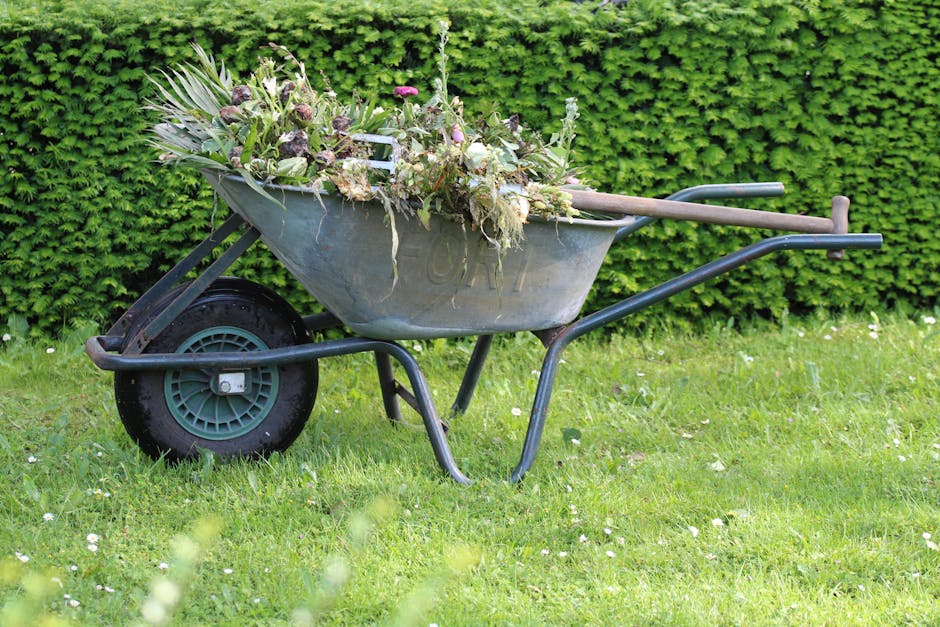
Garden size matters, but access matters just as much. Can a wheelbarrow get through easily? Is there side access? Is waste carried through the house? Is the garden on a slope? Is parking close enough for loading materials? These details influence how long the job takes and how much hassle is involved.
3. Separate essential work from optional extras
A proper quote should show what is essential and what is optional. For example, the core job might include clearance, levelling, and lawn installation, while extras could include planting, decorative gravel, edging, or new fencing. This helps you trim costs without derailing the main plan.
4. Price labour realistically
Labour is often the biggest chunk of the quote. A gardener needs to allow for preparation, work on site, clean-up, and sometimes return visits. Specialist work costs more than routine tasks. A tree surgeon, for example, brings different skills and risk considerations from someone doing routine grass cutting.
5. Add materials and disposal
Materials can swing the price quite a lot. Turf, topsoil, sleepers, fencing, paving, and planting stock vary by quality and quantity. Waste removal is another big one. Heavy material, mixed waste, or multiple loads can all add cost. If you have ever tried to move wet soil after a rainy morning, you will know it is not exactly a lightweight task.
6. Include equipment and specialist tools
Some makeovers need more than hand tools. A job might require a stump grinder, a hedge trimmer, a mower, a jet washer, or machinery for breaking up old surfaces. Equipment use is often folded into the quote because it affects setup time, fuel, maintenance, and operator expertise.
7. Factor in risk, complexity, and finishing standards
Not every garden is straightforward. Old trees, tight spaces, fragile boundaries, uneven surfaces, and drainage issues all increase complexity. A gardener will usually build in some allowance for the unknown, because the quote has to survive real conditions, not just the neat version in your head.
8. Present the quote with assumptions
The best quotes do not just show the final figure. They also explain assumptions. For example, they may state that the quote assumes clear access, no hidden underground obstacles, and no extra planting beyond the agreed scope. That kind of clarity protects both sides.
Expert Tips for Better Results
If you want a better quote, the trick is not to ask for "cheap." It is to ask for clarity. A clear brief almost always leads to a better estimate. Here are some things that genuinely help.
- Share photos from different angles. Show the full garden, side access, gates, and any problem areas.
- Be honest about the condition. If the back corner is full of rubble, say so up front.
- Decide your priorities early. Do you want a family-friendly lawn, a low-maintenance gravel space, or a stylish entertaining area?
- Ask what is excluded. That is often where misunderstandings start.
- Request separate prices for phases. It helps if you may want to stage the work.
- Compare materials carefully. A cheaper finish may not last as well, especially on high-use areas.
Another good habit is to ask how the gardener handles unforeseen issues. What happens if they uncover old concrete? What if drainage is worse than expected? What if extra waste turns up once clearance begins? You do not need a dramatic contract theatre moment. Just a simple, practical answer.
If you are in a busy urban area, ask about timing and access windows. A quote can look neat on paper but become awkward if the work has to fit around school runs, controlled parking zones, or a narrow morning slot. The smoother the logistics, the less likely it is for costs to drift.
And one more thing: if something sounds oddly cheap, be cautious. Sometimes it means the job has been underestimated. Sometimes it means a key element has been left out. Sometimes, well, it is just a hopeful number wearing a friendly smile.
Common Mistakes to Avoid
Garden makeover quotes go wrong for a few predictable reasons. The good news is that most of them are avoidable.
Choosing the lowest price without checking the scope
This is the classic mistake. A quote that looks far cheaper may simply exclude important work. You might think you are saving money, then pay more later for the missing pieces.
Not asking about waste removal
Waste is a big cost factor. If old soil, branches, fencing, or rubble needs to be removed, the quote should say who handles it and where it is going. If it does not, ask.
Ignoring access issues
A tight side passage, steep steps, or no nearby parking can add time and labour. It is easy to overlook this when you are looking at the garden from the kitchen window.
Assuming all materials are equal
Two quotes may look similar but include very different product quality. Turf, timber, paving, and planting material can vary a lot in durability and appearance.
Skipping the site visit
Some simple jobs can be estimated from photos, but fuller makeovers are much safer when seen in person. If the quote is based on very little information, expect the number to be less reliable.
Forgetting maintenance after the makeover
A garden does not stay finished by itself. If you are laying fresh turf or adding new planting, ask what aftercare is needed. A lovely new space can look tired quickly if it is not maintained properly.
Tools, Resources and Recommendations
Gardeners use a mix of practical tools and planning methods when pricing a job. You do not need to own these yourself, but understanding them helps you see where time and cost go.
- Measuring tools: for area, perimeter, and hardstanding calculations.
- Site photos or sketches: useful for initial estimates and discussing layout.
- Labour planning sheets: to estimate hours for clearance, prep, and finishing.
- Material lists: turf, topsoil, aggregates, timber, plants, and fixings.
- Waste planning: to estimate loads, disposal method, and loading time.
- Seasonal maintenance knowledge: useful if the quote includes planting or ongoing care.
For ongoing upkeep, it may help to think beyond the makeover itself. Services such as garden services, gardening services, or a one-off visit from a local gardener can keep the garden in shape after the main work is done. If you are reworking the whole space, a broader team like garden landscapers may be the better fit.
It can also be worth looking at the company's own pricing guidance. A page on pricing and quotes is often the clearest place to understand how the business structures its estimates and what it considers during assessment.
One practical recommendation: keep a simple folder of photos, measurements, and note-taking on your phone. Nothing fancy. Just enough to help you compare quotes later without trying to remember which gardener said what after three different calls and a rainy Tuesday.
Law, Compliance, Standards, or Best Practice
For most garden makeover projects, the legal side is fairly light-touch, but best practice still matters. If a gardener is working on your property, they should operate safely, dispose of waste responsibly, and handle equipment properly. That is basic professionalism, not a bonus.
If the project involves trees, fences near boundaries, changes to drainage, or work close to walls and shared features, extra care is sensible. You may also need to consider neighbour relations, party boundaries, and access arrangements. These are not always legal issues in the strict sense, but they can become stressful if ignored.
In the UK, reputable gardeners and landscapers will usually have public liability insurance and sensible health and safety procedures. It is reasonable to ask about this. You are not being awkward. You are being sensible.
Safe working also matters around sharp tools, lifting heavy materials, and working with power equipment. If a quote includes tree work, heavy clearance, or digging near uncertain ground, you want the team to explain how they manage risks. A polished quote means little if the worksite becomes chaotic.
Environmental best practice is part of the picture too. Many customers now care about recycling green waste, using durable materials, and choosing planting that suits local conditions rather than fighting them all summer. A thoughtful quote should reflect that. Not in a preachy way. Just in a practical, down-to-earth way.
If you want reassurance, ask whether the company has policies for health and safety, insurance, waste handling, or complaints. Those pages tell you a lot about how the business works behind the scenes, and honestly, that says more than a flashy promise ever will.
Options, Methods, or Comparison Table
There is more than one way to quote a makeover. The right method depends on how clear the scope is and how risky the unknowns are. Here is a simple comparison.
| Quoting method | How it works | Best for | Watch out for |
|---|---|---|---|
| Fixed price | One set total for an agreed scope | Clear, well-defined garden makeovers | Scope creep if the brief changes |
| Time and materials | Labour is charged by time, materials separately | Uncertain or evolving jobs | Harder to predict final cost |
| Phased pricing | The project is split into stages | Large gardens or budget-conscious clients | Later stages may cost differently if conditions change |
| Estimate only | A best-guess range rather than a firm price | Early planning or rough budgeting | Less protection if expectations are unclear |
In many real projects, the most useful approach is a hybrid. A gardener might quote fixed prices for clearance and turfing, then charge time and materials for anything that depends on what is uncovered. That is not dodging the issue. It is often the most honest way to price a job properly.
If the garden is straightforward, a fixed quote gives peace of mind. If the space is messy or has hidden complications, a flexible model may be fairer for everyone. The right answer depends on the garden, not just on the business.
Case Study or Real-World Example
Imagine a small rear garden in London that has not been touched properly for a few years. The lawn is thin, there are overgrown shrubs at the back, a broken fence panel, and an old paved patch that needs cleaning up. Nothing dramatic on first glance. Then you start lifting things and, well, the garden starts telling its story.
A gardener visits and breaks the job into parts:
- clear all waste and cut back overgrowth
- remove dead shrubs and a damaged fence panel
- level the ground and improve soil where needed
- install fresh turf or reseed the lawn area
- clean the paved section with pressure washing
- finish with edging and a simple planting plan
The quote is based on labour days, waste removal, turf and soil costs, and extra time for access because materials have to be carried through a narrow side path. The gardener also allows for a small contingency because the old paving may hide uneven ground beneath. That kind of careful allowance is exactly what you want to see.
Now compare that with a cleaner garden in a more open layout. Same square footage, but easier access and less waste. The quote could be noticeably lower even though the garden looks similar from the street. That is why visual size alone is such a poor guide. The hidden work is what changes the number.
In our experience, the most satisfied customers are usually the ones who ask for a walkthrough of the quote, not just the price at the end. Once they understand where each part comes from, they can choose what to keep, what to phase, and what to leave out. Simple, but effective.
Practical Checklist
Before you accept a garden makeover quote, run through this checklist. It takes a few minutes and can save you a lot of back-and-forth later.
- Have I seen a clear breakdown of labour, materials, and waste removal?
- Does the quote say exactly what is included and excluded?
- Has the gardener seen the space in person or reviewed enough photos?
- Are access issues, parking, and disposal logistics accounted for?
- Do I understand whether the price is fixed, estimated, or phased?
- Have I asked what happens if hidden issues are found?
- Does the quote reflect the level of finish I actually want?
- Are planting, turfing, fencing, or paving specified clearly?
- Have I checked whether aftercare or maintenance is included?
- Do I feel comfortable that the quote is realistic, not just low?
If you can tick most of those off, you are in a much better place. If not, ask for clarification before work starts. It is much easier to refine a quote than to untangle misunderstandings mid-project.
Conclusion
Understanding how gardeners calculate quotes for garden makeovers helps you make better decisions, compare estimates properly, and avoid paying for vague promises. The best quotes are not the cheapest or the longest. They are the clearest. They explain the work, show the assumptions, and give you confidence that the job has been thought through from the ground up.
Whether you are planning a simple refresh or a full outdoor transformation, the real value is in knowing what the figure includes and why. That knowledge gives you room to choose wisely, phase the work if needed, and end up with a garden that feels right for your home and your budget.
Get a free quote today and see how much you can save.
Frequently Asked Questions
How do gardeners usually price a garden makeover?
Most gardeners price a makeover by combining labour, materials, waste removal, equipment use, and any extra complexity such as poor access or difficult ground. Some jobs are fixed-price, while others are quoted as estimates or split into phases.
Why do two quotes for the same garden vary so much?
They can vary because one gardener may include more detail, better materials, waste disposal, or a longer labour allowance. Another may have missed something. The cheapest quote is not always the best value, especially if it leaves out prep work.
Do gardeners need to visit the garden before quoting?
For simple maintenance jobs, a photo-based estimate may be enough. For a makeover, a site visit is usually better because access, slope, waste, and hidden issues can change the price quite a bit.
What should a good garden quote include?
A good quote should set out the scope of work, materials, labour, waste removal, assumptions, and any exclusions. If the quote is just one number with no explanation, ask for more detail.
Can I reduce the cost of a garden makeover?
Yes. You can often reduce the cost by phasing the work, choosing simpler materials, doing some clearance yourself, or prioritising the most important parts first. Just make sure the remaining work still makes sense as a plan.
Is waste removal included in garden makeover quotes?
Sometimes yes, sometimes no. It depends on the gardener and the project. Always check whether green waste, rubble, old fencing, or soil disposal is included, because this can affect the final price.
How do access problems affect the quote?
Poor access can increase labour time and make waste removal harder. Narrow side passages, steps, long carries, or difficult parking can all add cost, even on a relatively small garden.
Are fixed-price quotes better than estimates?
Fixed-price quotes are great when the scope is clear. Estimates are more flexible when the garden has unknowns. Neither is automatically better; the right choice depends on the job and how much is already known.
Should I get more than one quote?
Yes, that is usually sensible. Two or three quotes can help you compare scope, approach, and value. Just make sure you are comparing like with like, otherwise the numbers can be misleading.
What makes a garden makeover quote trustworthy?
Clarity is the biggest sign of trust. A trustworthy quote explains what is included, what could change, and why the price is what it is. It should feel practical and grounded, not rushed or mysterious.
Do garden makeover quotes include ongoing maintenance?
Not always. Some quotes only cover the one-off makeover. Others may include aftercare or future maintenance. If you want both, ask for separate pricing so you can see the difference clearly.
How long does it take to get a quote?
It depends on the size and complexity of the garden. A straightforward maintenance quote can be quick, while a larger makeover may take longer because the gardener needs to think through materials, labour, and site conditions properly.
What if extra work is discovered after the job starts?
That should be discussed before the extra work is done. A good gardener will explain the issue, show why it matters, and agree the next step with you. Hidden surprises happen in gardens all the time, so it is worth planning for that possibility.
Can I ask a gardener to break the quote into stages?
Absolutely. In fact, it is often a smart move. Staging the work can help you manage budget, compare options, and focus on the most urgent improvements first without losing sight of the bigger picture.
By the end of the process, the best quote should leave you feeling informed, not puzzled. And that is usually the sign you are on the right track, one sensible step at a time.